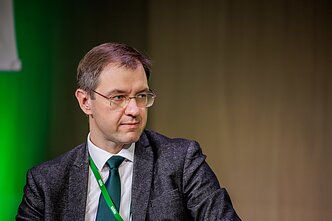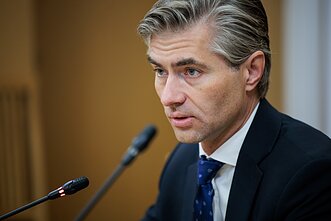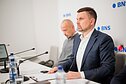














Auditor General Irena Segalovičienė argues that Lithuania should commit to spending more than 5% of its gross domestic product on defence beyond 2030 to prevent future governments from cutting the military budget.
Segalovičienė proposed enshrining the target in Lithuania's strategic documents, arguing that audits show elevated defence funding will remain necessary well into the next decade to maintain the country’s strengthened security posture.
She said the National Security Strategy should require defence spending of more than 5% of GDP until at least 2035.
“The state has decided to increase its security and truly elevate the national defence system from one level to another. We must have clear strategic patience so that this does not become a subject of intense political debate,” Segalovičienė said.
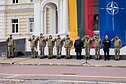
Her comments come after Lithuania’s State Defence Council, which brings together the country’s political and military leadership, agreed to allocate between 5% and 6% of GDP to defence from 2026 through 2030.
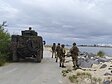
The additional funding is intended to finance the development of a national military division, procure new weapons and equipment, and prepare infrastructure for the permanent deployment of a German brigade in Lithuania.
Deputy National Defence Minister Karolis Aleksa backed the proposal, saying that reducing defence spending after 2030 would make it difficult to sustain the capabilities currently under development.
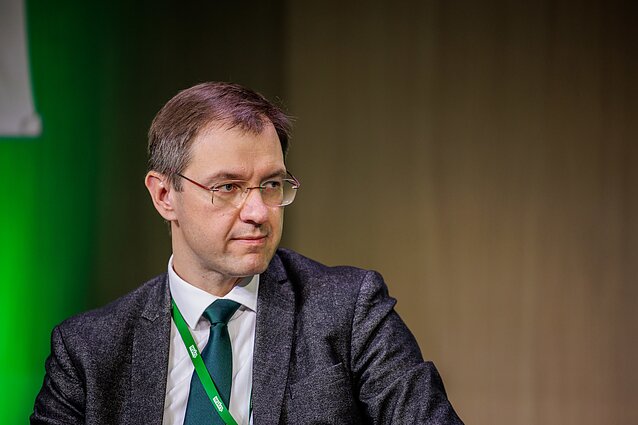
He said maintaining long-term military spending would require broad political consensus.
NATO members agreed at the alliance’s recent summit to increase defence-related spending to 5% of GDP by 2035, responding to pressure from the United States and growing security concerns posed by Russia.
Under the NATO agreement, allies are expected to allocate 3.5% of GDP to core defence spending and an additional 1.5% to broader security-related investments, including dual-use infrastructure and cybersecurity.
Lithuania plans to spend 5.38% of GDP, or about 4.8 billion euros, on defence this year, making it one of NATO’s highest-spending members relative to the size of its economy.

Newsletter
Every Friday morning.