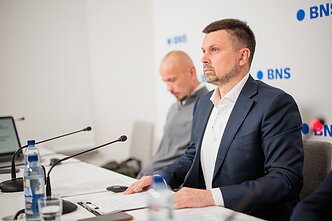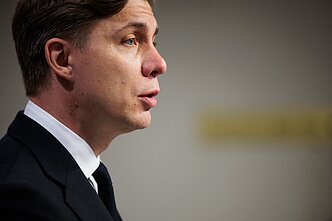













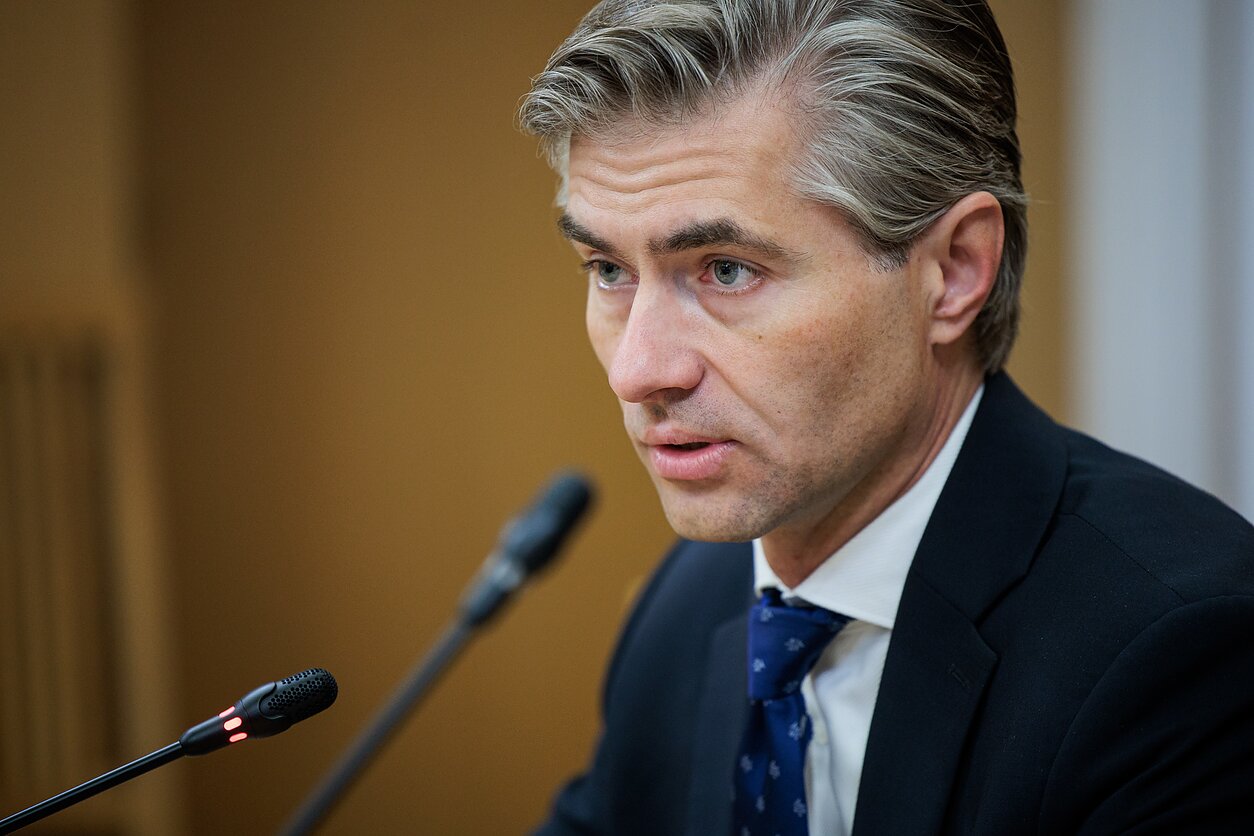
Lithuanian Foreign Minister Kęstutis Budrys on Thursday criticised concessions made to Russia in the energy sector as part of negotiations on the European Union’s latest sanctions package, saying they undermine the bloc’s overall pressure campaign against Moscow.
“The new sanctions package significantly increases pressure on the Russian financial sector and further restricts Russia’s access to capital markets. However, negotiations on the 21st package showed that EU sanctions policy decisions are increasingly driven by the economic interests of member states,” Budrys said in a statement.
“This dangerous trend not only limits the EU’s ability to increase pressure on Russia but also weakens the impact of sanctions already in place,” he added.
The latest sanctions package expands measures against Russia’s so-called shadow fleet, adding 41 vessels to the sanctions list and bringing the total number of sanctioned ships to 692. The EU also broadened the criteria for listing vessels and introduced a requirement to report sales of liquefied natural gas tankers.
The package further targets Russia’s financial sector, imposing sanctions on more than 80 Russian banks and extending transaction bans to another 33. Restrictions were also applied to four financial institutions operating in third countries and 14 crypto-asset service providers.
In the energy sector, however, the EU agreed to suspend a review of the Russian oil price cap until July 15, 2027. Unless member states decide otherwise by that date, the current price cap of $44.10 per barrel will remain in force.
The new measures also seek to curb sanctions circumvention through third countries by tightening export restrictions on entities linked to Russia’s military-industrial complex. Two additional Russian ports and four airports were also added to the sanctions list.
The package expands import restrictions on a range of revenue-generating goods, including copper, nickel and lead ores, raw zinc, certain chemicals, glassware and automotive parts. It also imposes individual sanctions on 216 additional people and entities.
Separately, the EU approved new sanctions against Belarus, including restrictive measures targeting the Mozyr Oil Refinery and the European Trade Company, which sells Belarusian petroleum products in Russia.

Newsletter
Every Friday morning.