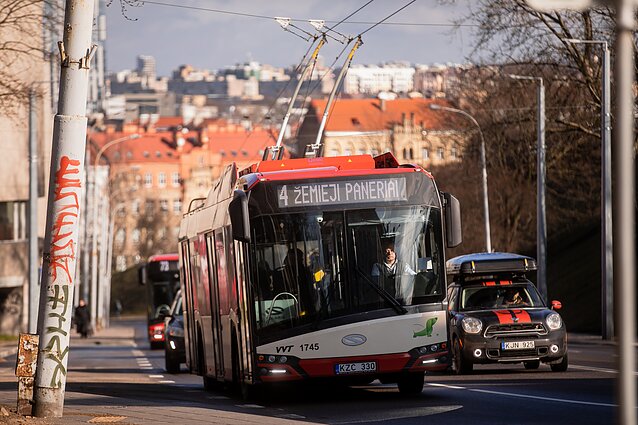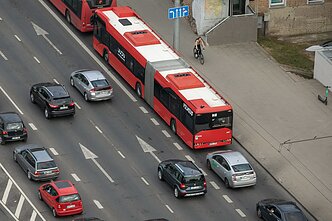












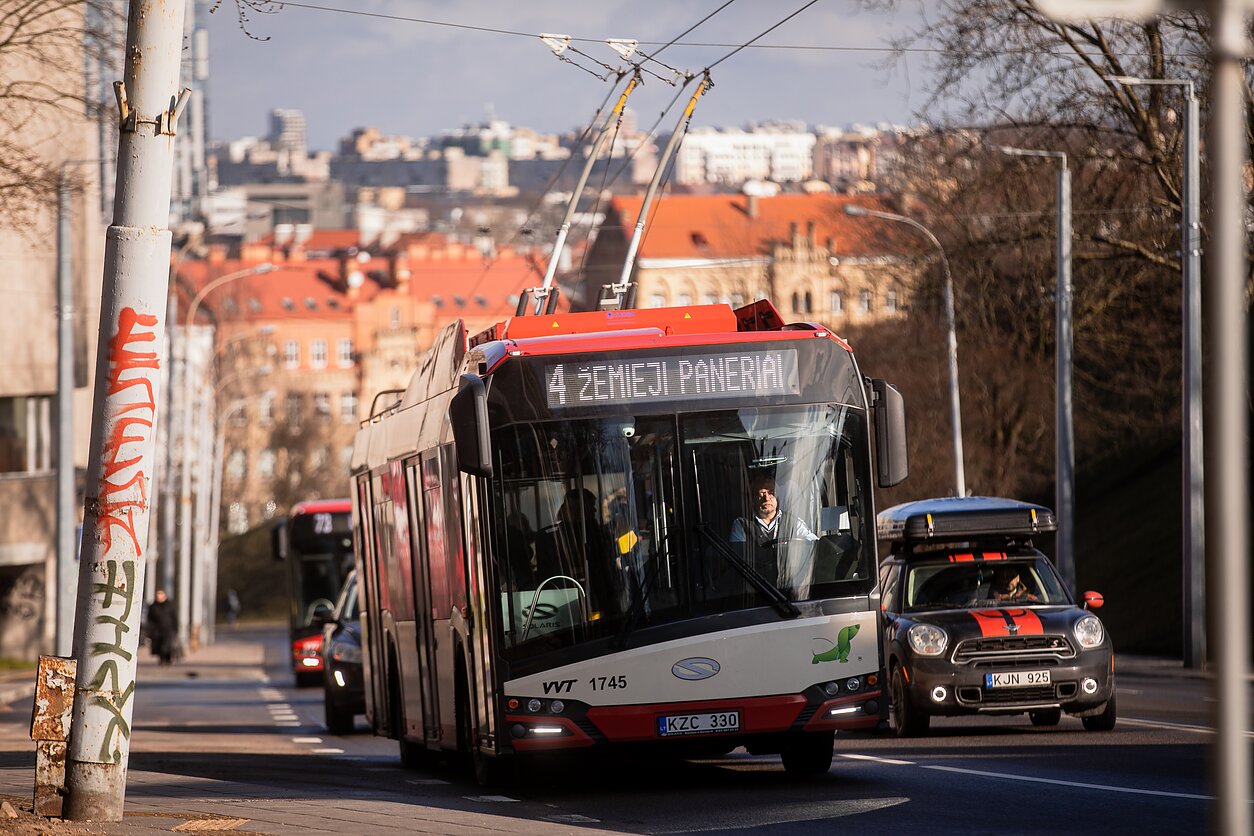
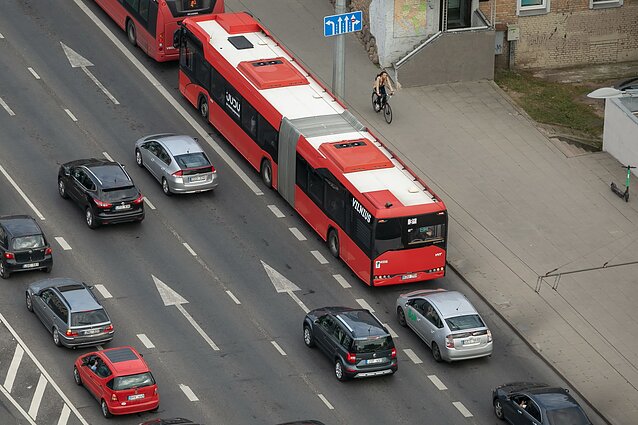
Vilnius officials are seeking ways to avoid disruptions to public transport services after the city’s municipal operator warned it may not have enough buses and trolleybuses to meet demand when passenger numbers rise in the coming autumn.
During a meeting with city officials, Vilnius Public Transport (VVT) said it could deploy no more than about 490 vehicles per day from September because of vehicle shortages and maintenance issues.
According to JUDU, the municipal agency responsible for planning and organising public transport, the city will require several dozen additional vehicles to maintain scheduled services. Without them, about 280 weekday trips could be affected, and passengers on some routes could face waiting times up to 11 minutes longer.
VVT spokeswoman Gintarė Žalytė said the figures discussed at the meeting were preliminary.
“The numbers are not yet final, and the figure mentioned in the minutes reflected the situation as it was assessed at that time,” she said.
JUDU said it is working with the transport operator and the municipality to prevent any service disruptions.
“Solutions are currently being sought to avoid these risks. At this stage, we are not talking about changes to routes or service schedules. We are focused on finding solutions,” JUDU spokeswoman Karolina Frolovienė said.
The Vilnius Public Transport Employees’ Trade Union said it has observed a shortage of operational buses and trolleybuses since January.
Union chairman Algirdas Markevičius said the operator had already reduced the number of vehicles in service earlier this year without publicly announcing the changes.
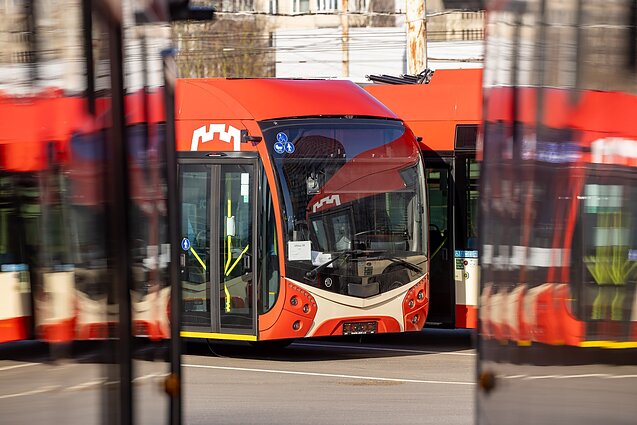
“We could clearly see from the timetables that the number of vehicles had already been reduced from January,” he said, adding that dozens of drivers were temporarily furloughed because damaged vehicles had not been repaired.
Žalytė acknowledged the company faced operational challenges during January because of severe winter conditions that required additional measures.
In a written statement, Vilnius City Municipality said leasing additional vehicles could help address the shortfall. VVT already rents part of its fleet, although the trade union criticised the practice, arguing that some leased vehicles are in poor technical condition and have experienced reliability problems.
The city expects to need at least 611 buses and trolleybuses to meet demand once the new school year begins in September. VVT traditionally operates the majority of the capital’s public transport fleet.

Newsletter
Every Friday morning.