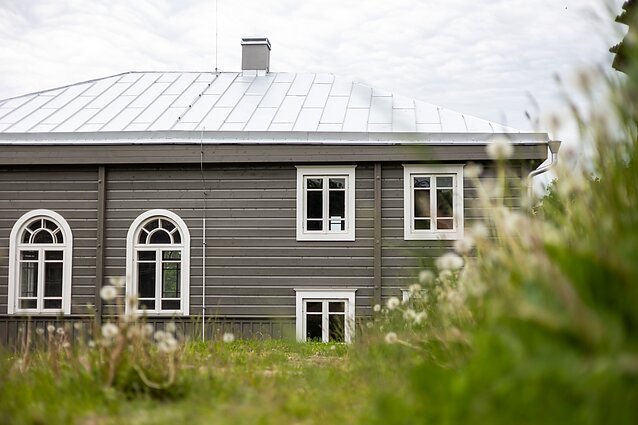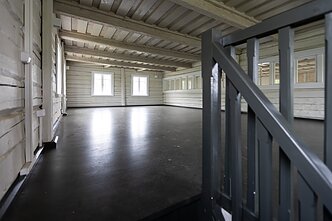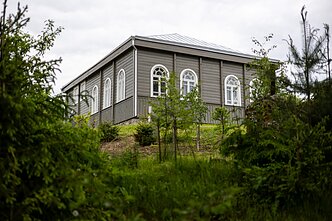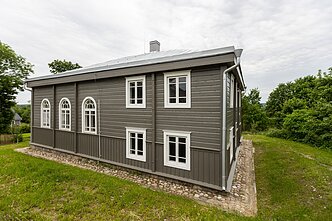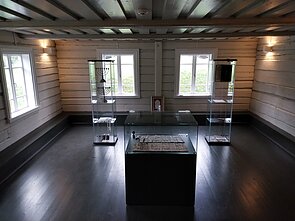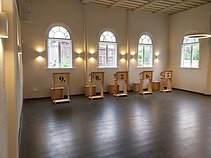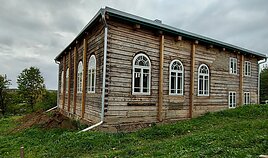















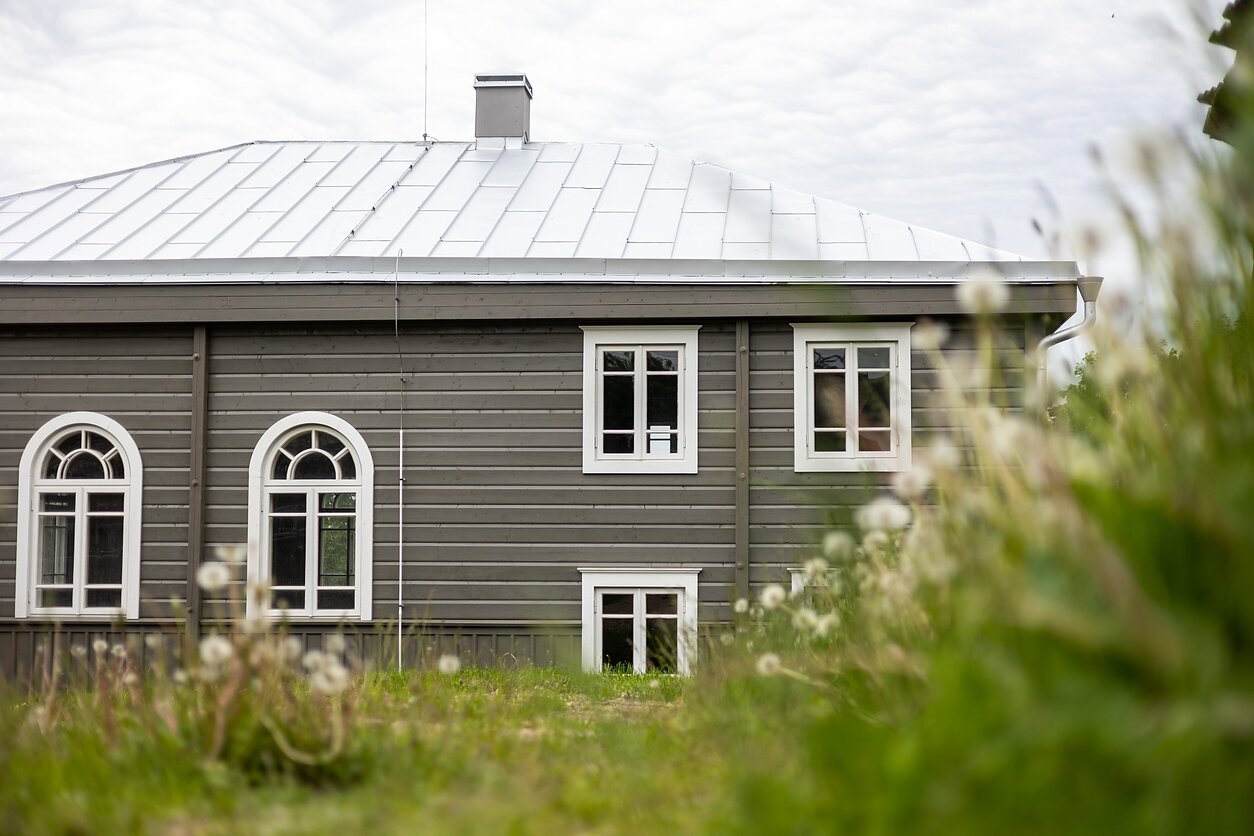
A restored 19th-century wooden synagogue in the eastern Lithuanian town of Alanta has reopened to visitors after decades of abandonment, becoming a new venue for cultural events and exhibitions.
Built around 1860 by Alanta’s Jewish community, which then numbered about 200 people, the Romantic-style wooden synagogue served worshippers until 1941. After World War Two, its windows were boarded up and the building was used primarily as a grain warehouse.
Although authorities planned to demolish the synagogue twice, the building survived.
Adomas Davalga, chief curator of the Alanta Synagogue at the Molėtai Regional Museum, said the synagogue was preserved largely thanks to a local resident, Algirdas Jakutonis, who opposed demolition plans.
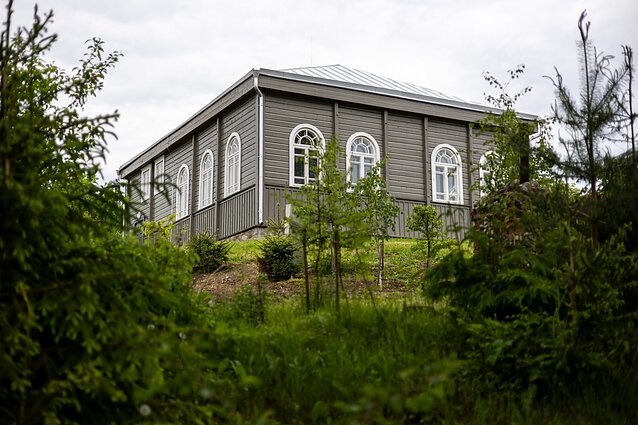
“According to him, the local collective farm management proposed demolishing the synagogue on two occasions, but he objected, arguing that tearing it down would create unnecessary problems,” Davalga said. “As long as the building stood, he believed it should be left standing.”
During the Soviet period, the synagogue was used to store grain, fertilisers and other agricultural supplies, a function that inadvertently helped preserve the structure.
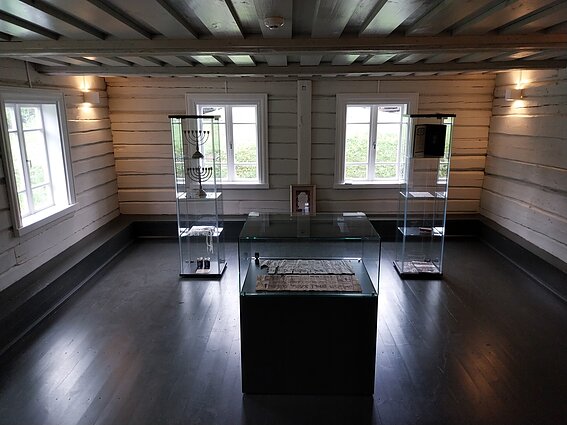
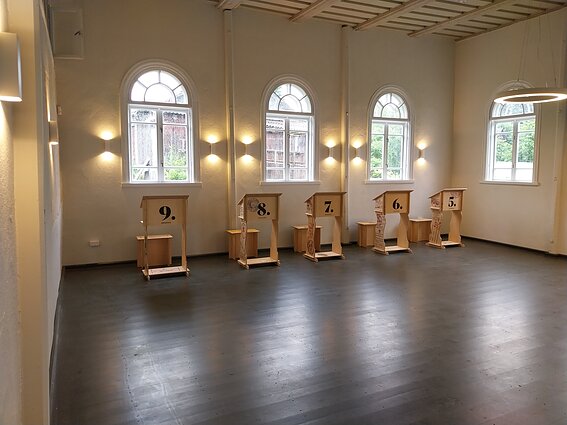
In 2025, ownership of the synagogue was transferred to the Molėtai Regional Museum under a decision by the district municipal council.
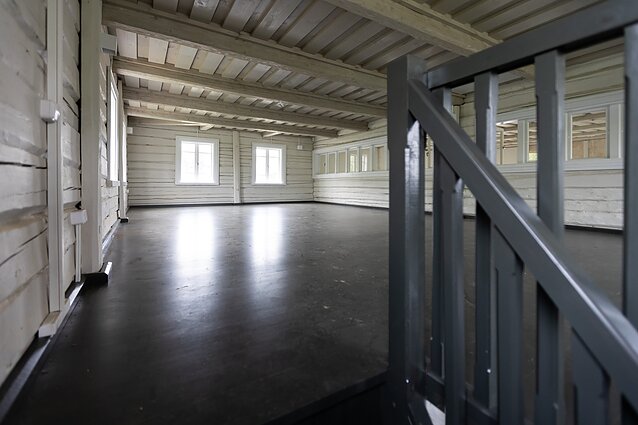
The museum has now reopened the building as a venue for exhibitions and cultural events. The first events are scheduled for July 25 during celebrations marking the 590th anniversary of Alanta’s first recorded mention.
The synagogue will remain open to visitors through the end of the summer, with decisions on autumn operations to depend on visitor interest, Davalga said.
Restoration work began in June 2019 and was completed in 2021 at a total cost of 345,033 euros, according to Nijolė Stalnionienė, chief specialist at the Molėtai District Municipality’s Architecture and Territorial Planning Department.
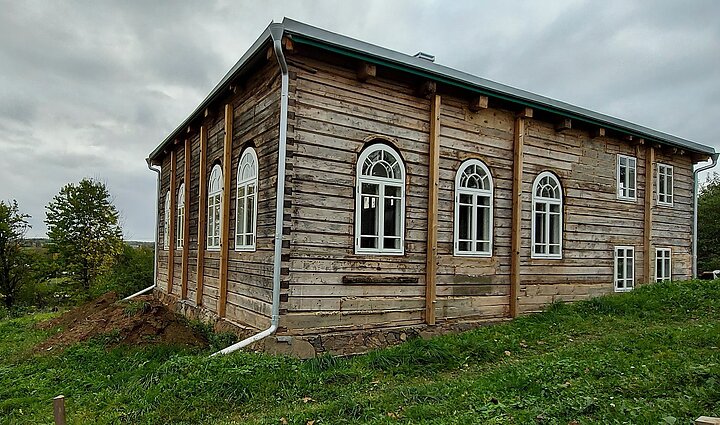
The restoration was funded by the Lithuanian state through its cultural heritage preservation program, while the project documentation and research were financed by the Lithuanian Jewish Community.
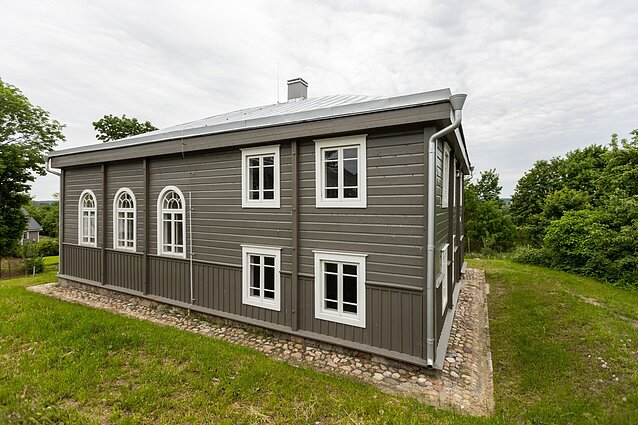
The works included restoring the masonry foundations, wooden roof structures, vaulted ceiling, surviving metal elements, wooden exterior cladding, flooring and other historic architectural features.
Wooden synagogues, once common across Eastern Europe, are now rare due to wartime destruction, neglect and redevelopment, making the preservation of Alanta’s synagogue significant for Lithuania’s Jewish heritage.

Newsletter
Every Friday morning.