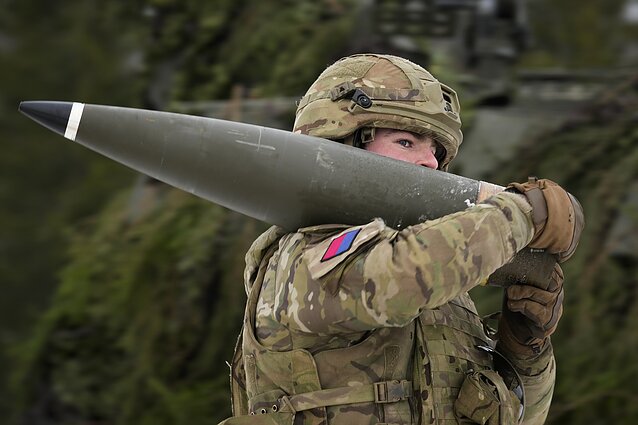















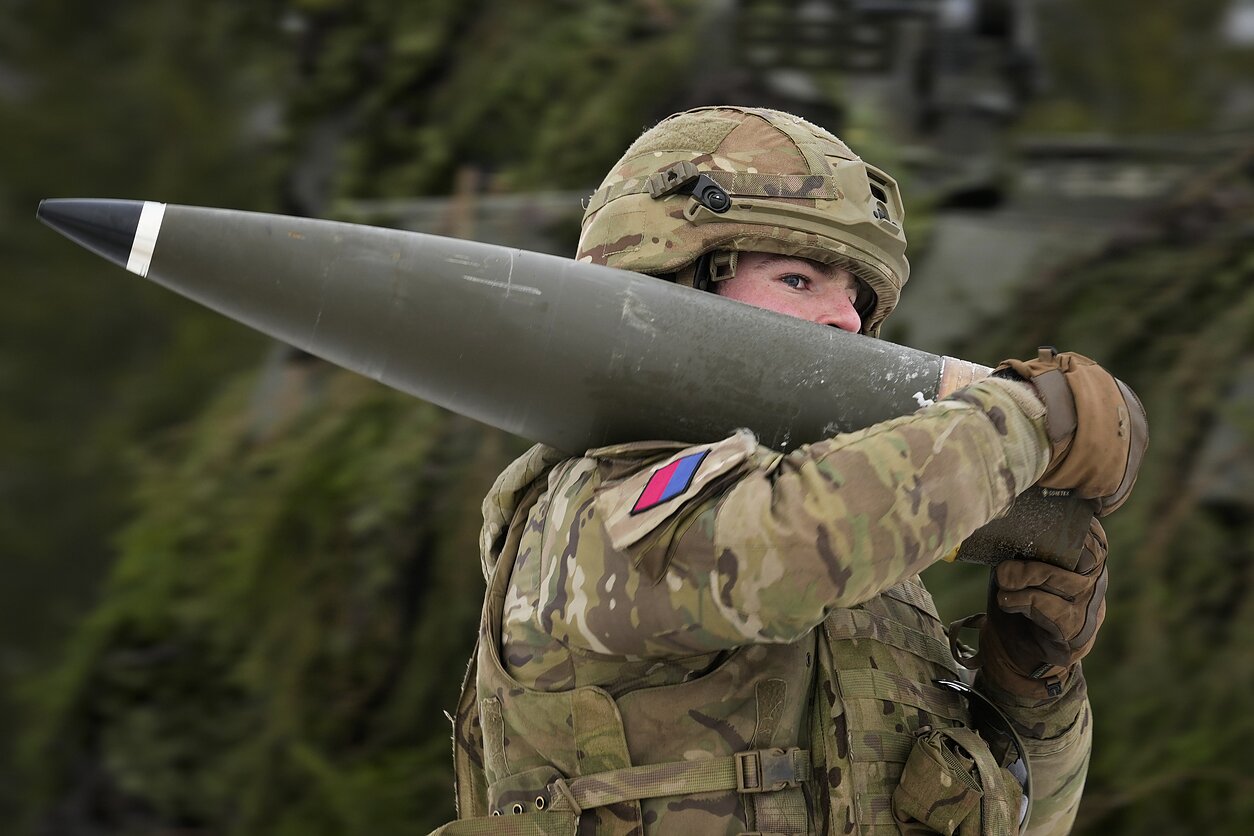
Britain is replacing the tanks of its brigade stationed in Estonia with drones, saying it is responding to the changing nature of warfare.
“The way of war is changing, and our response must change with it. We know that a more mobile, agile force would have a greater effect against Russia than traditional armour,” the British defence minister at the time, Dan Jarvis, said in Tallinn last week.
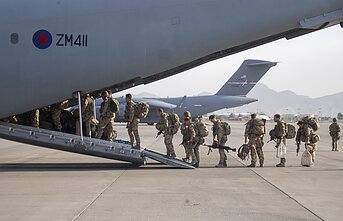
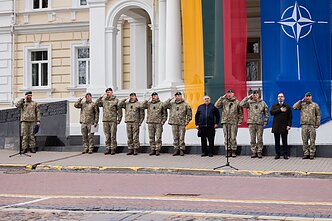
As part of the move, Britain is increasing the number of troops stationed in Estonia from 800 to 1,200.
It will also transform its Armoured Battlegroup in the country into a Mobile Anti-Armour Force equipped with high-tech drones, the UK Ministry of Defence said, adding that the country would also pre-position long-range drones in the Baltics.
The lessons of Ukraine show that tanks are becoming less important, according to Tony Lawrence, head of the defence policy and strategy programme at the International Centre for Defence and Security (ICDS) in Tallinn.
“They’re not, of course, redundant. They are vulnerable and have to sit back a bit more in today’s warfare,” Lawrence said.
However, the move does not mean the UK is turning its back entirely on traditional armoured vehicles, and some of its decisions are already in line with changes previously implemented in Lithuania.
The UK is beginning a large-scale procurement of Boxer infantry fighting vehicles, which Lithuania already operates, Lawrence said. “This is the mobile element that they are talking about in various press releases.”
The UK’s move in Estonia also reflects changes in London itself, as well as debates within the NATO alliance.
“It’s about the commitment that the UK wants to show to this burden-shifting agenda inside NATO. The UK does not have a good story to tell about defence spending – it’s quite tight. It looks like it will be tight for some years to come,” Lawrence said.
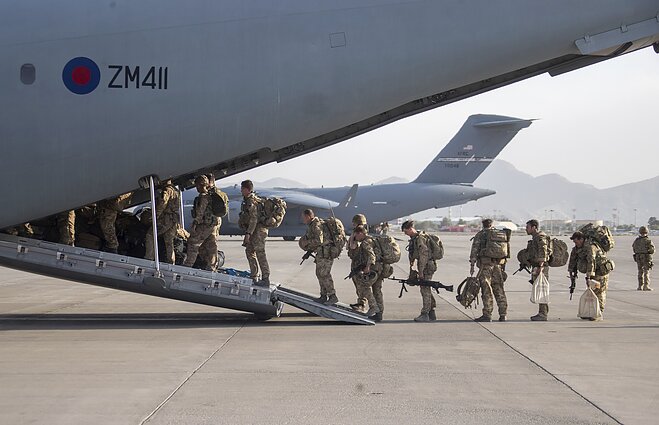
Lithuania and Germany’s heavy brigade
Lithuania has previously announced plans to buy tanks, while Germany is also deploying an armoured brigade equipped with tanks to the Baltic country, even as it highlights the brigade’s drone capabilities in its public messaging.
“There has been a certain amount of discussion in Estonia, particularly by drone manufacturers who want to make the case that this is the only way to go and that Estonia is far behind,” he said. “But I think it’s been stronger in Vilnius than here.”
According to Lawrence, the type of weapons sent to the Baltic states is also influenced by debates within individual NATO countries, while it is important to maintain different capabilities across NATO’s eastern flank “so that different tasks can be carried out”.
“You will always have inconsistencies – with Germany heavily emphasising armour and the UK putting more emphasis on drones, you would want to have a more consistent posture across the whole eastern flank.
“The fact is that we, the states that provide land forces, are constrained by domestic interests and policies, so you have to rely on NATO as the planning level above that to smooth out force posture,” Lawrence said.
Writing in The Daily Telegraph, retired British colonel Hamish de Bretton-Gordon said the changes in Estonia showed that the role of tanks on the battlefield had changed – they must now operate alongside a range of technological solutions, including drones.
“Ukraine has fundamentally changed warfare,” Bretton-Gordon wrote.

Newsletter
Every Friday morning.