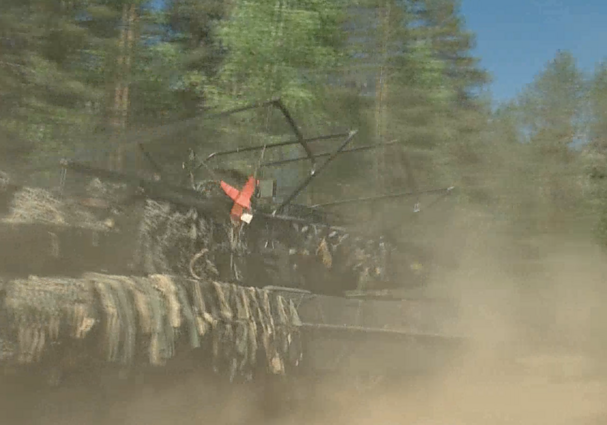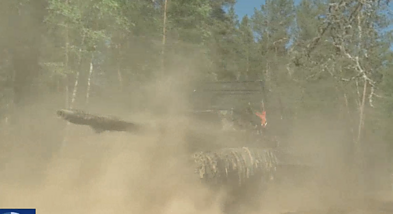
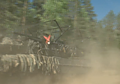












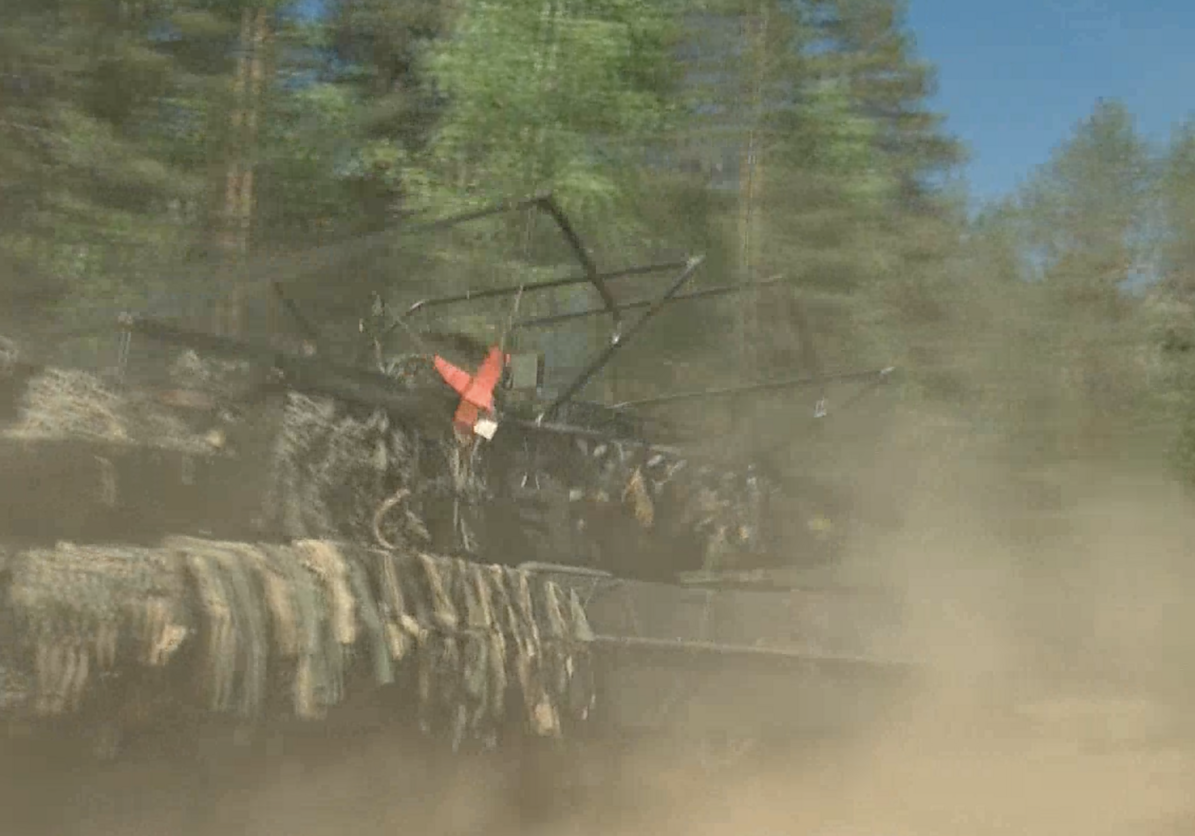
Germany has equipped its tanks deployed in Lithuania with anti-drone cages that were first seen – and ridiculed – during Russia’s invasion of Ukraine.
“We need new capabilities, this is particularly true for air defence anti-drone assets, and we are introducing them now in the German army [mirroring what] all NATO allies are doing,” Brigadier General Christoph Huber, commander of the German Army’s 45th Brigade Lithuania, told reporters.
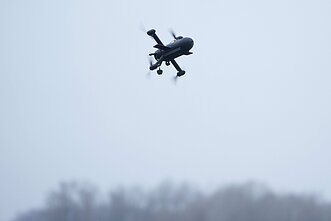
One of the more unusual sights during the exercise – and one still rarely seen in NATO drills – was the use of drones dropping explosives. In another training scenario, a German Puma infantry fighting vehicle was destroyed by a fibre-optic FVP drone.
“It’s very important for us that we are preparing for modern warfare. We are not preparing as soldiers for the battles of the past, not even for the battles which we see currently happening during Russia’s brutal war of aggression against Ukraine.
“We also need – and we have seen this during the exercise – drones for reconnaissance. We will also see loitering munitions, the most modern German system, arriving in Lithuania with my artillery battalion next year,” Huber said.

According to the brigade commander, around 800 pieces of heavy equipment have been brought to Lithuania for the Freedom Shield exercise, involving approximately 3,000 troops.
“We still need to have armoured troops, mechanised infantry troops, [but] we also need –we have seen it during the exercise – drones for reconnaissance, and we will see loitering ammunition, the most modern German system, coming into Lithuania with my artillery battalion next year,” Huber said.
Once the training concludes, most of the heavy equipment will be transported back to Germany. It is expected to return next year, when construction of the military base for the German brigade at Rūdninkai near the Belarusian border will be completed.
Around 5,000 German troops are expected to be based in Lithuania.

Newsletter
Every Friday morning.