












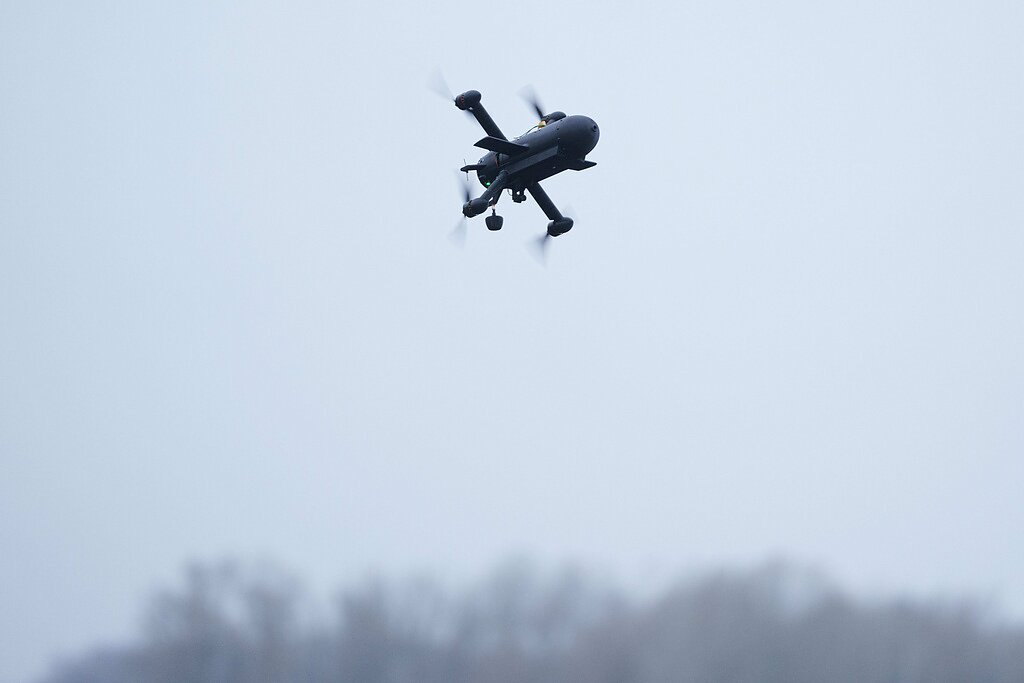
Lithuania’s drone early warning system is currently not functioning properly and needs more funding and attention, a senior presidential aide said on Monday.
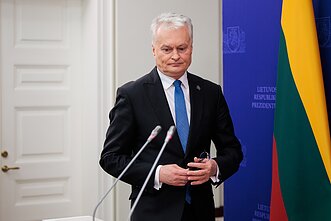
Deividas Matulionis, chief adviser to the president, said the issue will be addressed at next week’s State Defence Council meeting.
“The president emphasised that anti-drone defence must be one of the state’s top priorities in the near future. If additional money and attention are needed, that support will certainly be provided,” Matulionis said following a meeting between the president and Defence Minister Robertas Kaunas.
“The president highlighted that the early warning system is not working correctly and asked the minister to look closely and create an algorithm that would be successful in any case of drone incursion,” he added.
According to the adviser, the Defence Ministry does not require extra assistance for the deployment of anti-drone systems, and work is proceeding as planned. However, he admitted that the pace of procurement did not satisfy the authorities.
“There are new proposals that we found interesting, especially regarding closer cooperation with Ukraine, which has significant experience in combating drones,” Matulionis said.
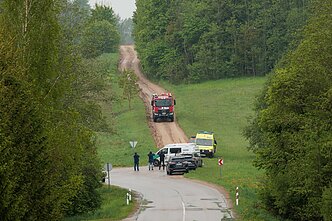
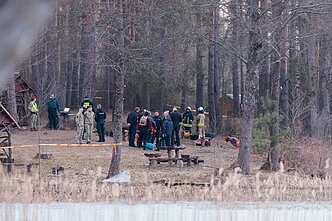
He said there is no evidence that a drone which crashed in the Utena district on Sunday was intentionally sent through Lithuanian airspace by Ukraine, urging against speculation.
“Nothing can be ruled out, but we should not speculate. [...] Contact has been made with the Ukrainians, and the minister has spoken with Minister Mykhailo Fedorov. A group of experts will be sent to Lithuania in the near future,” Matulionis said.
Defence Minister Kaunas said that while border guards detected a drone-like object on Sunday, the airspace surveillance and warning systems must be improved as they are currently better suited for slower-moving objects.
“When aircraft and drones fly significantly faster than other threats, the algorithm likely needs to be refined, and this will be done,” the minister said.
According to Kaunas, short-range radars already purchased and delivered to Lithuania will be integrated into the general system, which should strengthen drone detection in the coming months.
“There is a clear plan for where, on which objects, and when they will be mounted and integrated, and when our detection will be further strengthened,” Kaunas said.
Following the drone crash in the Utena district on Sunday, officials suspect it may have been a Ukrainian unmanned aerial vehicle that was likely not carrying explosives. Similar incidents have recurred in the Baltic region in recent months, while Russian drones entered Lithuanian airspace twice last year.

Newsletter
Every Friday morning.