



Alarm bells are ringing across Europe over a possible energy crisis triggered by Iran war. Despite risks to its economy, Lithuania is better positioned than most European countries to weather global supply disruptions, and better prepared than at any point since 1990.
Those warning of an upcoming crisis point to the risk that European and Lithuanian businesses could face disruptions, or even shortages, in supplies of energy resources and other key raw materials.
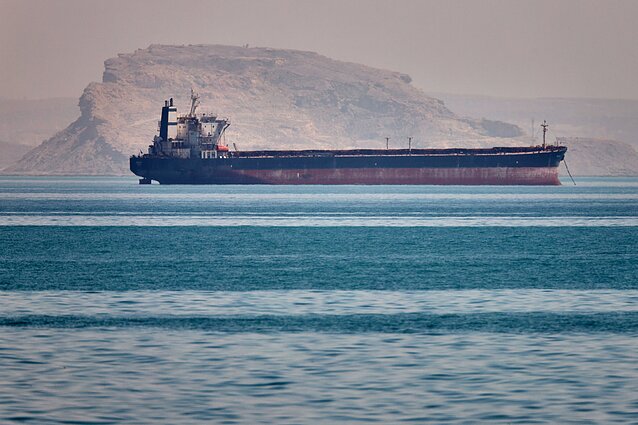
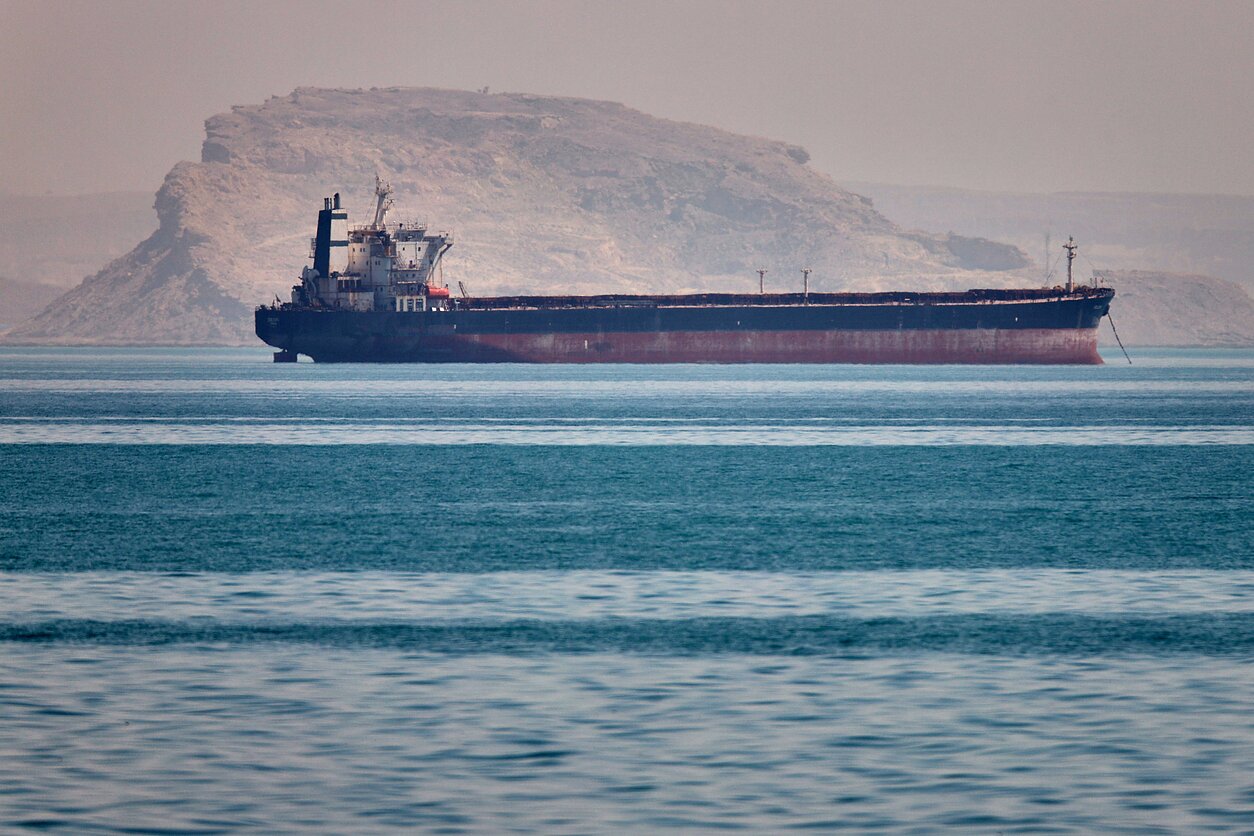
The threat to the global economy is real. The war has disrupted supplies of oil, gas, fertilisers, and other raw materials, and some production capacity may remain impaired for the long term. For now, oil prices are being cushioned by the record release of petroleum reserves onto the market and by expectations that the war with Iran will end swiftly. With a significant share of the world’s energy resources passing through the Strait of Hormuz, even partial disruptions can push prices higher and force buyers to compete for the same supplies.
A decline in the supply of key raw materials will eventually have to be met by lower demand. But because cutting consumption of essential raw materials is painful for everyone, demand and supply may come back into balance at much higher prices. The consequences would ripple outward. Higher fertiliser prices, for example, could reduce sowing across the world, leading to smaller harvests and higher food prices. For now, there are simply not enough key raw materials to go around.
These developments have led Fatih Birol, head of the International Energy Agency, to call the situation “the biggest energy security threat in history”. The IEA warns that oil prices are “not reflecting the severity of the problem” and that restoring supply to previous levels may take years. In other words, the IEA appears far gloomier about the consequences of the war with Iran than financial markets, which continue to price in a swift end to the conflict and limited long-term damage.
Lithuanian access to oil and gas is ironclad
While risks remain, international supply shortages do not automatically translate into a physical supply threat for Lithuania.
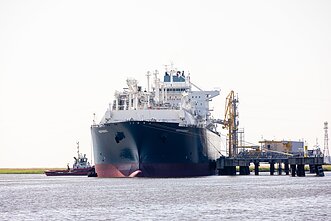
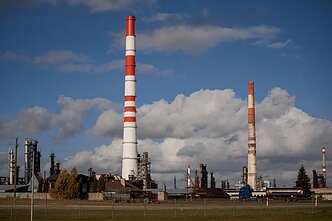
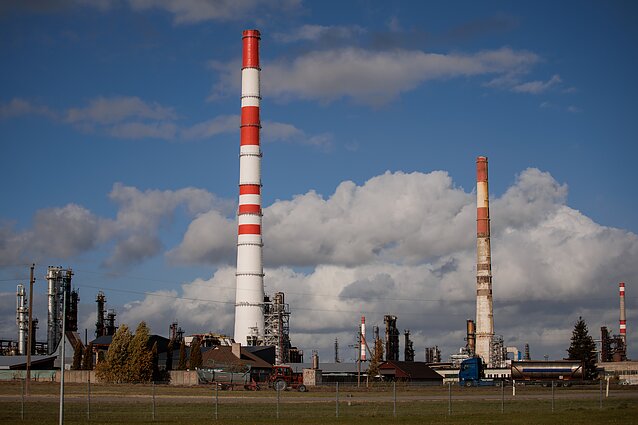
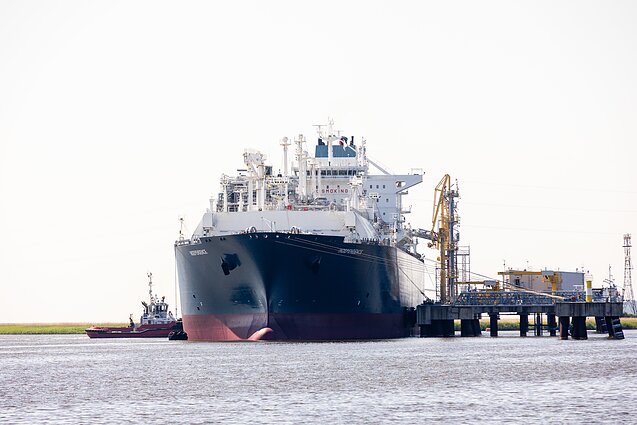
Lithuania’s physical access to oil and gas is highly secure. Crude oil supplies to the Mažeikiai refinery do not depend on the Strait of Hormuz, and the refinery’s operator, Orlen Lietuva, has not identified any risks to its supply of crude oil or other key raw materials. The refinery exports almost 80 percent of its oil products, setting Lithuania apart from its neighbours as a regional supplier of refined fuels. As for natural gas, Lithuania’s access is secured by the state-owned LNG terminal Independence.
If prices soar, it is worth remembering that Europe remains one of the richest regions in the world. European buyers are far better placed than those in most countries to afford oil, gas, fertilisers, and other raw materials on international markets.
All of this means that even under extreme energy-market stress, oil and natural gas will continue to flow to Lithuania, even if at a higher price.
The real risk for Europe: a subsidy race to the bottom
The main threat to Lithuanian businesses does not stem from the physical supply of oil and gas resources, but from decisions made in other European capitals. Governments across Europe have already rolled up their sleeves: cutting excise duties, introducing price controls, and paying out subsidies. They are sending a clear message to European citizens: keep buying oil and gas, and taxpayers will foot the bill.
If other EU countries begin heavily subsidising energy consumption, Lithuania’s government will also come under pressure to respond with fiscal support so that Lithuanian companies do not lose competitiveness. In such a race to the bottom, there would be no winners in Europe. The main beneficiary of artificially sustained demand for oil and gas would be our great enemy to the east, which is already filling its war budget with higher oil and gas revenues. The main loser would be the developing world.
This scenario already played out in 2022-2023, and it may happen again. While some countries are already being forced to limit the use of air-conditioning and prepare for the risk of food shortages, European governments can afford to spend tens of billions of euros on subsidies and tax relief. By crying wolf and “rescuing” citizens who do not need rescuing, European governments may push the Global South into yet another crisis of deprivation.
Lithuania is exceptionally well positioned
Lithuania’s economy today is far more resilient than it was at the start of previous crises. Over the past six years, it has withstood the pandemic, China’s economic coercion, the supply shock caused by Russia’s invasion of Ukraine, and the global energy crisis. Despite these shocks, Lithuania came out largely unscathed: it remains one of the fastest-growing economies in the OECD, and its government debt-to-GDP ratio is even lower than it was in 2016. Fitch Ratings has just upgraded Lithuania’s credit rating from “A” to “A+”, citing sustainable growth, favourable medium-term prospects, resilience to external shocks, and a record of fiscal prudence.

Today, Lithuania must not panic. Nor should the government create expectations that the state will step in to compensate consumers and businesses for any losses they incur. Poorly targeted fiscal support could increase demand for fuel and gas, driving national energy costs higher. If support becomes necessary, it must be directed only at the most vulnerable households and energy-intensive businesses.
There are threats to the global economy, but Lithuania is in a better position to face them than ever before. While preparing for the worst, Lithuanians have every reason to hope for the best. Over the past 36 years, Lithuania has invested, created value, and prepared for contingencies without allowing fear to dictate its choices. If it stays on course, Lithuania will maintain a stable growth outlook and remain a competitive environment for investment.
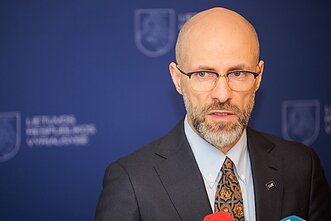
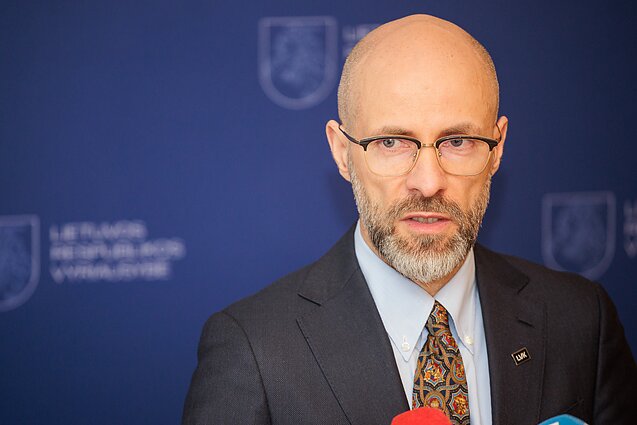
Andrius Romanovskis is the president of the Lithuanian Business Confederation (ICC Lithuania)