
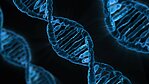









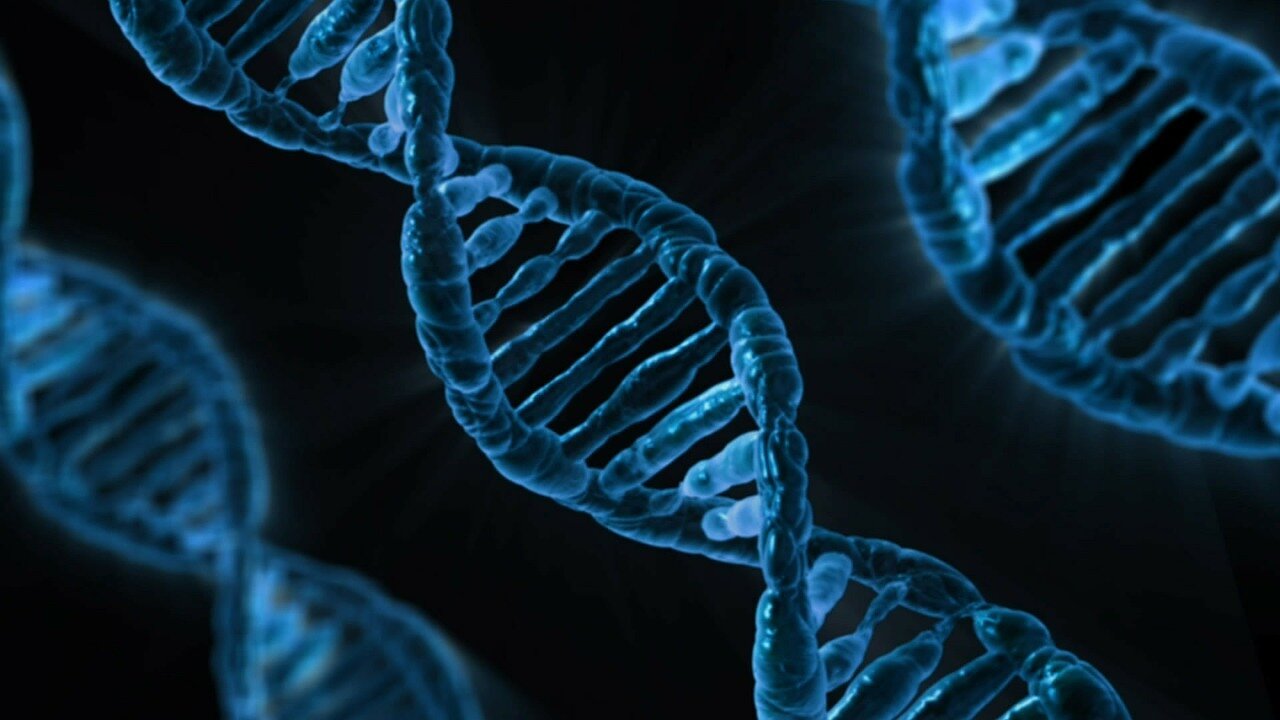
Vilnius and Kaunas hospitals, together with the National Cancer Institute, have collected the genetic data of more than 1,500 people in Lithuania. This information helps explain why individuals are predisposed to certain diseases and enables personalised treatment.
Health Minister Marija Jakubauskienė says she sees potential in collecting such genetic data for every newborn in the country. However, whole genome sequencing is not currently reimbursed.
The human DNA extracted from a blood sample is typically stored at a temperature of -80 degrees Celsius. Decoding a person’s genetic information takes several days.
“They were selected following fairly extensive and detailed examinations funded by the Compulsory Health Insurance Fund. At present, patients suspected of having hereditary or congenital conditions are being studied,” said Laima Ambrozaitytė, head of the Lithuanian Genome project.
Patients for these studies were selected from Vilnius University Hospital Santaros Klinikos, Kaunas Clinics and the National Cancer Institute. They include people with cardiovascular diseases, infertile men, and children with psychosomatic conditions. Most are patients with rare diseases, such as specific cancer mutations.
“This gives us greater ability to identify the mutations that led to the development of cancer, to predict how a patient will respond to a particular treatment, and to select the most effective therapy,” said Valdas Pečeliūnas, director of the National Cancer Centre.
Most of the patient data collected over the past three years is still being analysed. Personalised treatment based on genomic analysis is currently provided each year to several dozen patients with blood cancers, according to the head of Santaros Klinikos. He added that, based on genetic information, tailored medicines are also being developed for individual patients.
“We need the patient’s cells, we need to know what type of cancer it is, and how to produce a medicine that is not only chemically suitable, but specifically designed for that patient and that particular disease,” said Tomas Jovaiša, head of Santaros Klinikos.
Whole genome sequencing is not currently reimbursed, and only limited diagnostic testing is provided free of charge. However, Health Minister Marija Jakubauskienė says she sees potential in collecting genetic data for every newborn.
“It would be a positive development if we could sequence the genome of every newborn and build a database for every citizen of Lithuania. That would allow us to see the overall health profile of the population,” she said.
Given the number of births, state investment will be needed, according to the head of Kaunas Clinics.
“More than 17,000 babies were born last year, so we need to scale up. The state will need to ensure these tests are reimbursed,” said Renaldas Jurkevičius, head of Kaunas Clinics.
The project is part of a European Union initiative to collect the genetic data of one million patients across the bloc.

Newsletter
Every Friday morning.