











Vilnius residents have launched a petition, calling on the city’s authorities to reduce the number of events that cause traffic closures.
Edvinas, who has lived in the Žvėrynas district for 20 years, says he has run out of patience and decided to turn discussions on social media into a petition. He is particularly frustrated by running events, which he believes primarily benefit sponsors and advertisers rather than the city.
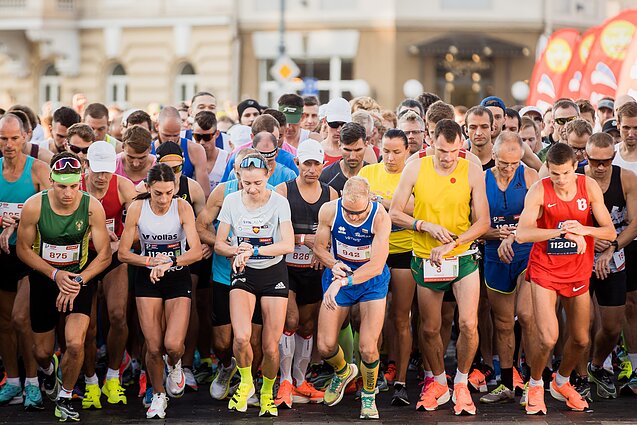
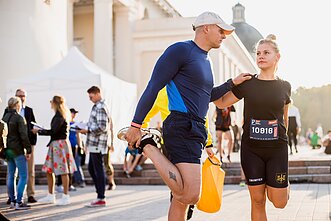
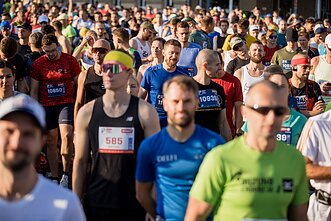
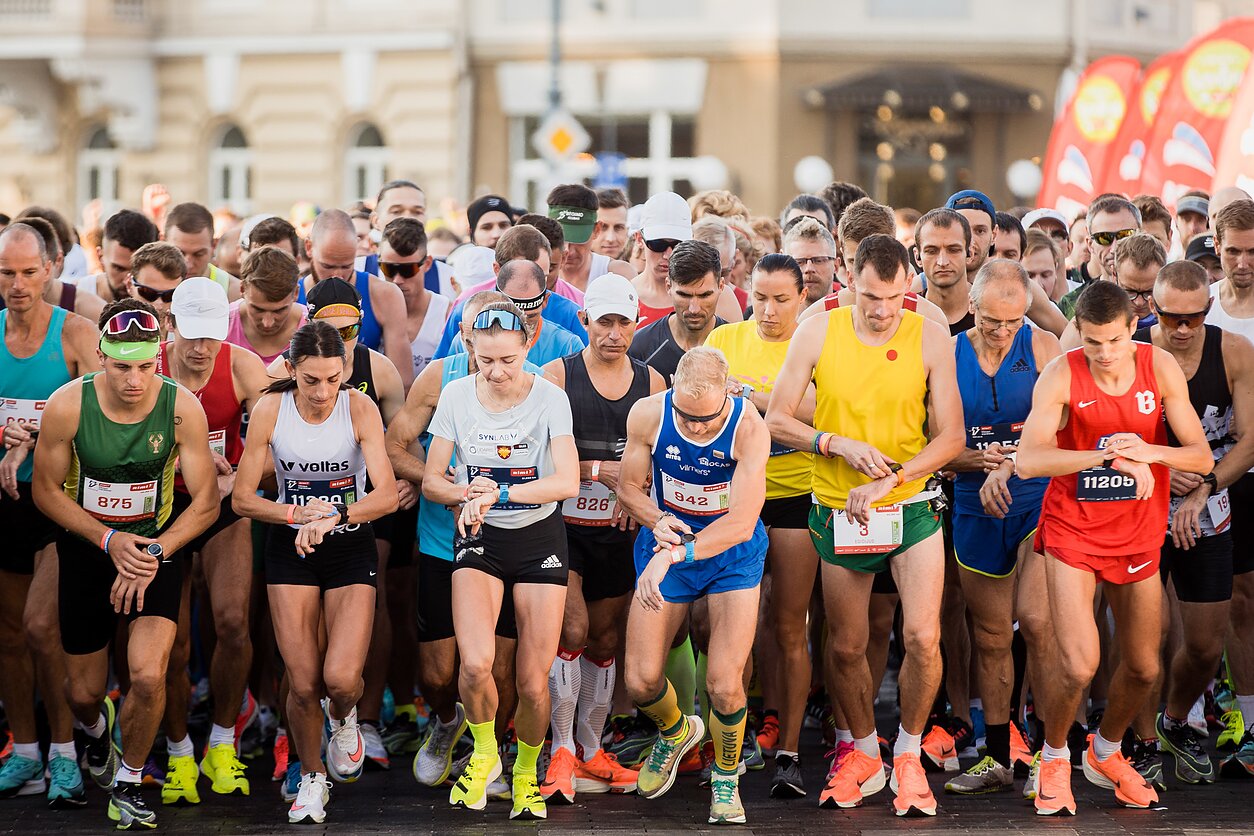
Vilnius hosts several major running events, including the International Vilnius Marathon, which this year will be branded as the Swedbank Marathon, as well as the spring half-marathon and a number of shorter races, like the Christmas Run.
“I’m not some angry person who complains about everything, but the marathons have clearly gone too far. The organisation and communication with residents are very poor,” Edvinas said.
He stressed that he has no objection to events such as the Pink Soup Fest or other large celebrations, but believes sporting events should be reconsidered.
The petition states that commercial events “regularly paralyse the daily lives, logistics and fundamental freedom of movement of thousands of Vilnius residents”.
According to Edvinas, petition supporters have particularly backed demands to move running routes away from densely populated districts and streets.
His proposals include relocating races to parks, adjusting schedules – for example, by holding events at night – and ensuring residents can always drive out of private courtyards.
“There is definitely demand for it,” he said of the reaction to his ideas online.
Edvinas said this year’s half-marathon was especially frustrating.
“This year was the last straw. It was complete chaos, with zero information. I don’t follow these races at all, and only shortly before the event did I see a tiny notice saying there would be traffic restrictions.
“I woke up on Saturday morning, and everything was blocked off. It’s the same every year. Vilnius has plenty of excellent places for running, but politicians’ and sponsors’ interests come first,” he said.
LRT.lt contacted representatives of other central Vilnius communities. Their opinions were divided.
Some said they had become accustomed to the inconvenience over the years and welcomed the activity in the city, while others backed potential restrictions.
“Every time there’s a marathon, there are complaints. People just don’t bother writing about them because it feels like fighting windmills. Neighbours complain in private groups, and that’s it. The city feels paralysed,” said Paulė Čyžaitė, the neighbourhood representative for the Tauro area of Naujamiestis.
She added that some residents had even been unable to cross streets.
“We say: nobody is running here, they’re somewhere in the distance, and we only need to drive 10 or 20 metres to reach the gate. They [the organisers] still say no,” Čyžaitė said.
Events generate €5m for the city
City officials and event organisers said marathons were important for Vilnius and could not simply be moved into parks because of course requirements.
Gediminas Pajėda, head of International Marathon (Tarptautinis Maratonas), the company that organises Vilnius’ three largest running events, said such events have become major celebrations in cities across the world.
Organisers estimate participant numbers are increasing by double-digit percentages each year and that running is currently enjoying record popularity.
“It’s a major city celebration, and it keeps growing. We also feel residents are becoming more understanding and tolerant,” Pajėda said.
Organisers allow residents to move around in critical situations and provide information about restrictions well in advance, he said.
Responding to suggestions that races should be moved outside the city, he argued that thousands of runners barely fit on wide city streets, let alone narrow park paths.
“The Christmas Run is also a city celebration – an evening run through the Old Town with lights. For several years, we have tried to ensure public transport can continue operating smoothly, so we fit everything into a six-kilometre route. But even then, we have around 5,000 participants,” he said.
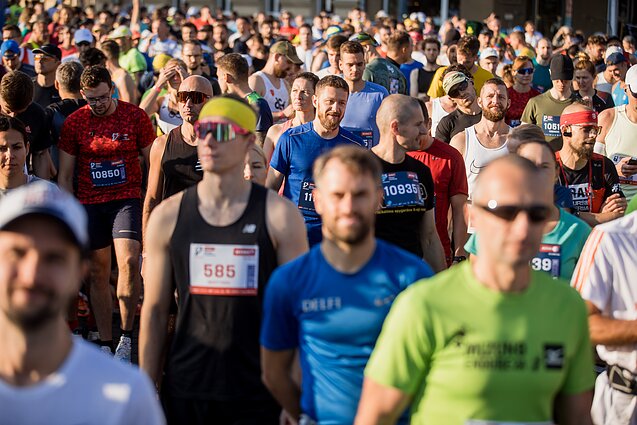
In a statement sent to LRT.lt, Vilnius City Municipality said the Vilnius Half Marathon and Vilnius Marathon are among the city’s largest sporting festivals, attracting around 15,000 runners and a similar number of supporters.
The municipality estimates that the Vilnius Marathon generated approximately €5m in added value for the city in 2024.
Officials also argued that holding races in green spaces would make it impossible to meet all safety requirements and would fail to comply with international marathon standards.
“All major international marathons and half marathons take place on the main streets of cities. This is necessary because road races require hard-surfaced routes that must be certified. It is also important to be able to manage extremely large crowds.
“Many spectators come to watch the marathon as well, and conditions must be in place to allow them to reach the venue and watch the event safely,” municipal representatives said.

Newsletter
Every Friday morning.